RASPBERRY PI
Raspberry Pi Observability at Home
Building home observability on Raspberry Pi without drowning the SD card: what to collect, what to skip, and how to keep the stack lighter than the workloads it watches.
TOPIC
What actually works on Raspberry Pi hardware: builds, limits, power, and the projects worth your evenings.
Building home observability on Raspberry Pi without drowning the SD card: what to collect, what to skip, and how to keep the stack lighter than the workloads it watches.
A kiosk device needs predictable behavior after power cuts and network drops. My Raspberry Pi setup starts from a minimal OS image with only the packages required for display and remote maintenance.
Cloud-only IoT pipelines are brittle during connectivity outages. I prefer running a local MQTT broker on Raspberry Pi and forwarding data upstream when possible.
Timelapse projects become messy when image capture, storage cleanup, and rendering are manual. On Raspberry Pi, I run the whole flow as scheduled services.
Exposing SSH or dashboards directly to the internet is unnecessary risk for small deployments. WireGuard gives a cleaner and safer remote access model.
Once Raspberry Pi projects move from prototype to unattended deployment, process supervision matters more than application code.
Mixed sensor stacks on Raspberry Pi frequently fail because of address collisions and inconsistent voltage assumptions. I now audit every module before wiring.
Most Raspberry Pi projects run fine until they do not. Without metrics and logs, troubleshooting becomes guesswork. This post describes a minimal but production-like observability stack that fits on Pi hardware.
Many Pi setups claim to have backups but fail the first real restore. A backup is only valid if recovery has been tested against realistic failure scenarios.
Running AI inference on Raspberry Pi is possible, but stable operation needs careful pipeline design. Most failures come from bottlenecks in capture, preprocessing, or storage, not from the model itself.
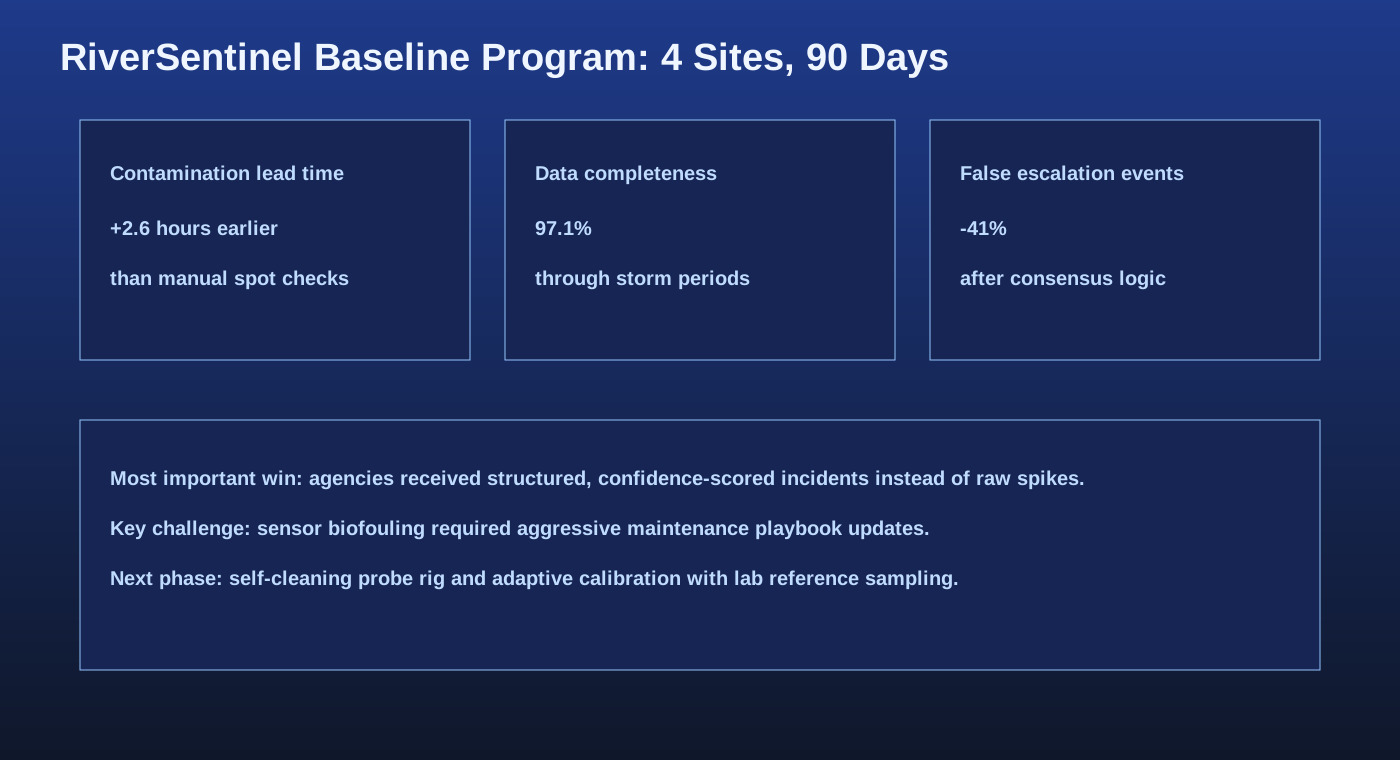
RiverSentinel was designed for environmental monitoring teams that need faster incident detection than manual sampling can provide, but also need evidence quality high enough for response workflows.
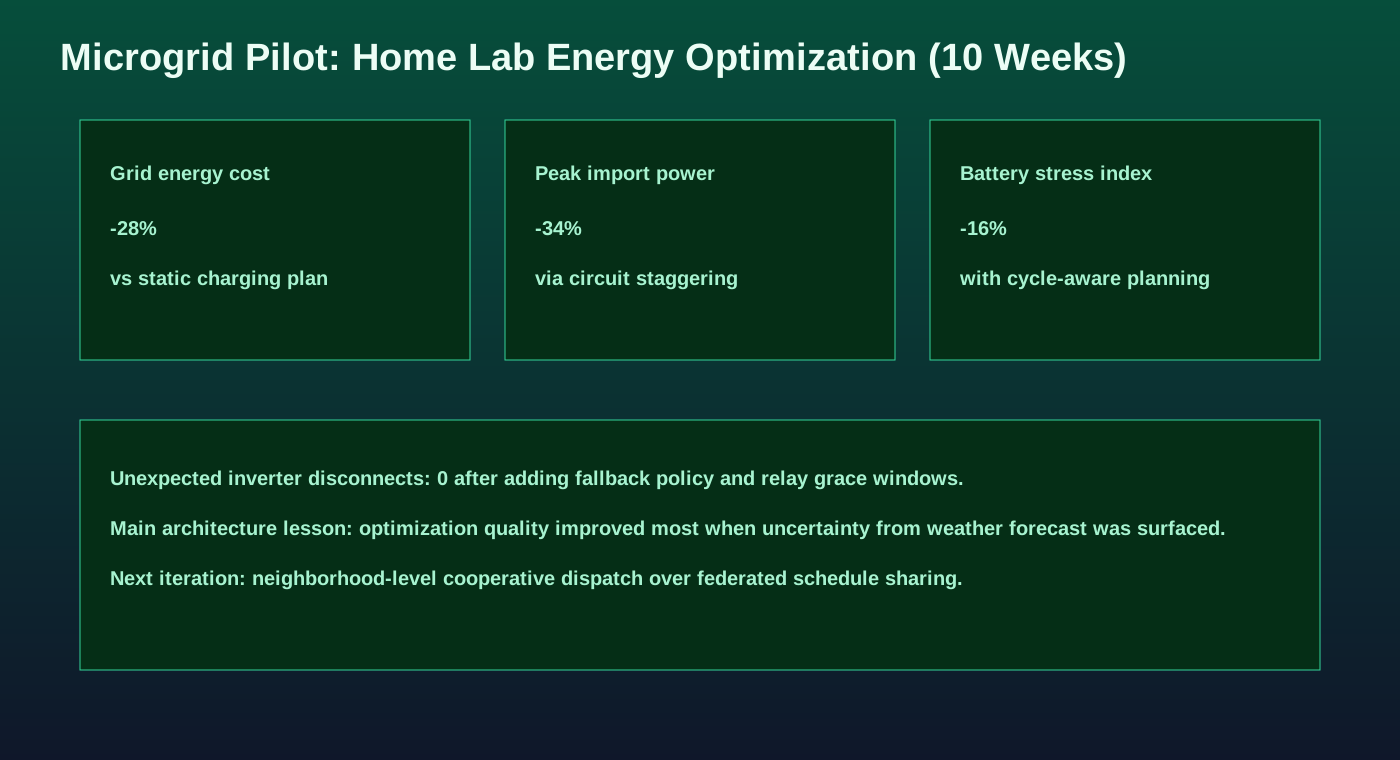
This project started with a practical question: can a small home lab run like a disciplined microgrid instead of a set of independent devices fighting each other?
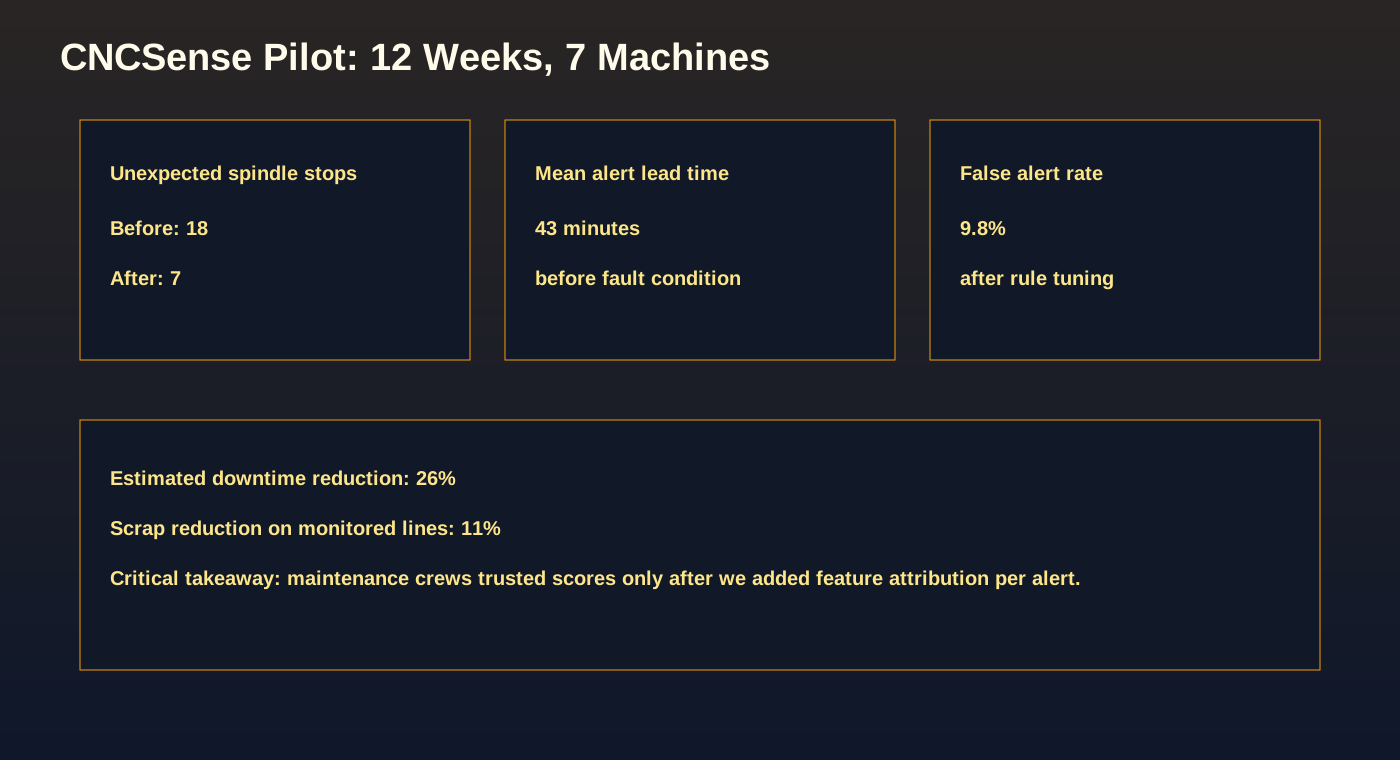
CNCSense was built to solve a common manufacturing pain: legacy machines fail without enough warning, and maintenance teams are forced into reactive firefighting.
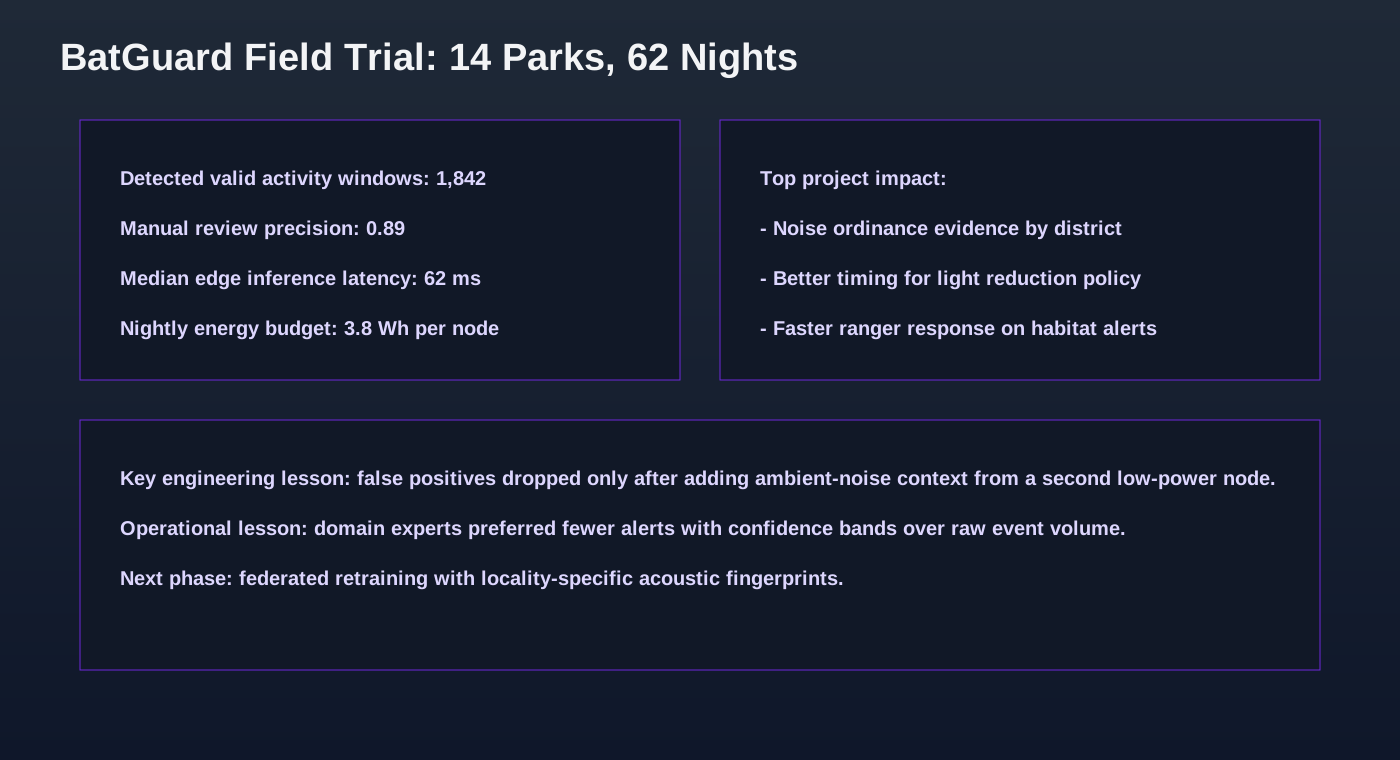
BatGuard is an urban biodiversity platform designed for one hard reality: ecological signals are noisy, and policy action requires credible evidence.
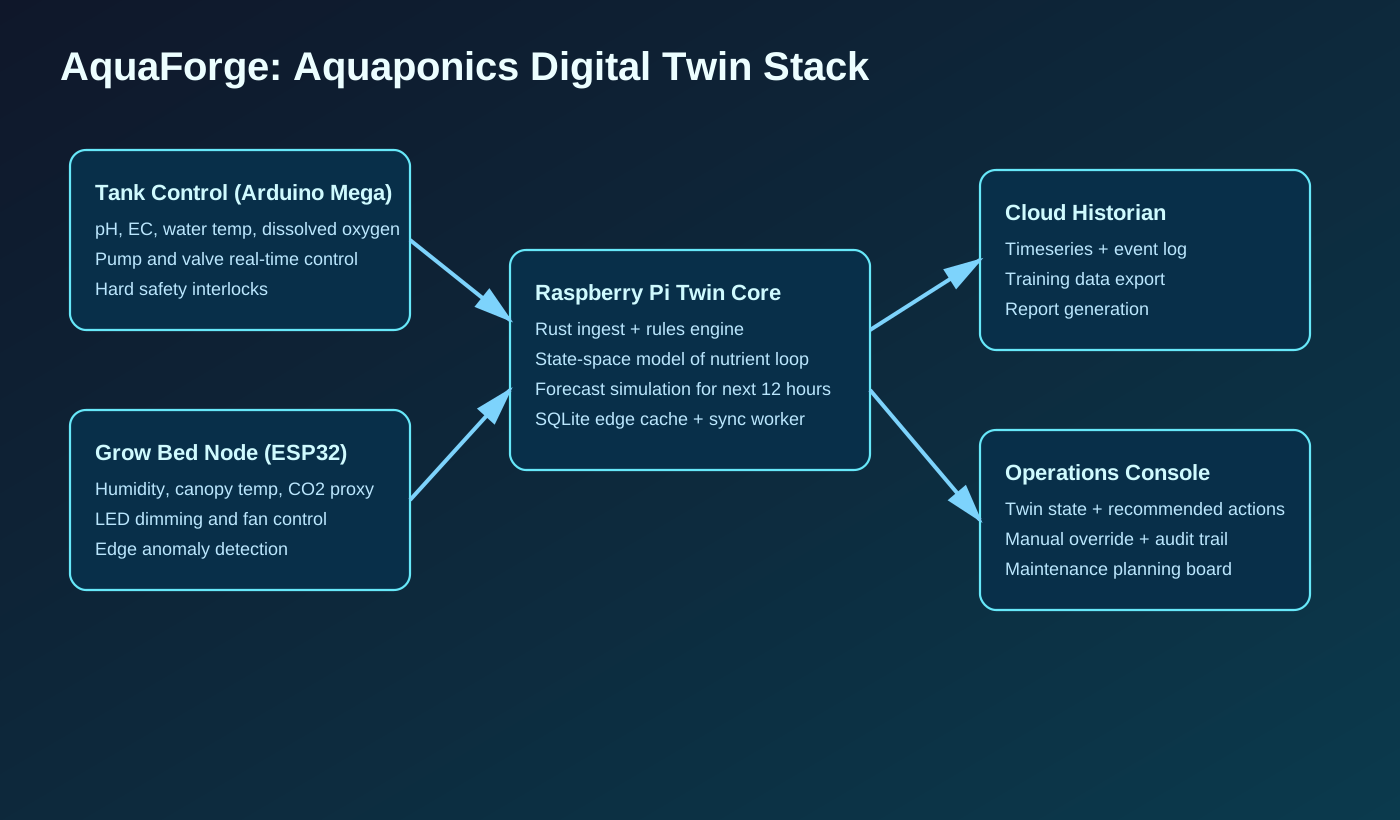
AquaForge started as a home-scale aquaponics controller and evolved into a real digital twin platform. The core idea was to move from reactive control to predictive operation: detect chemistry drift early and simulate intervention outcomes.
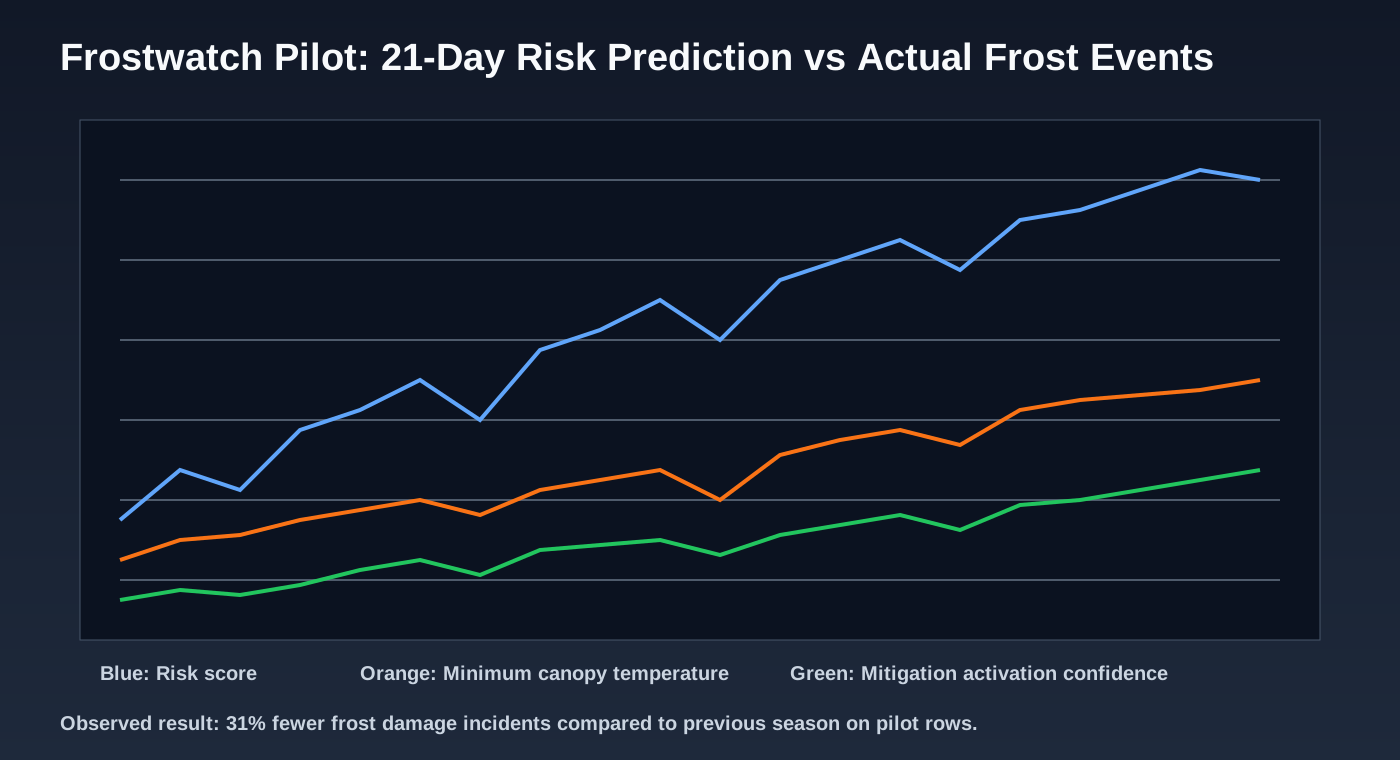
Frostwatch is one of the most practical systems I have built: a distributed frost-risk platform for vineyards where timing matters more than dashboards. If you detect frost risk 20 minutes too late, the damage is already done.
Docker Compose is ideal for Raspberry Pi homelabs, but many setups become fragile because of ad-hoc service definitions and weak data persistence planning.